LoRaWAN Health V1
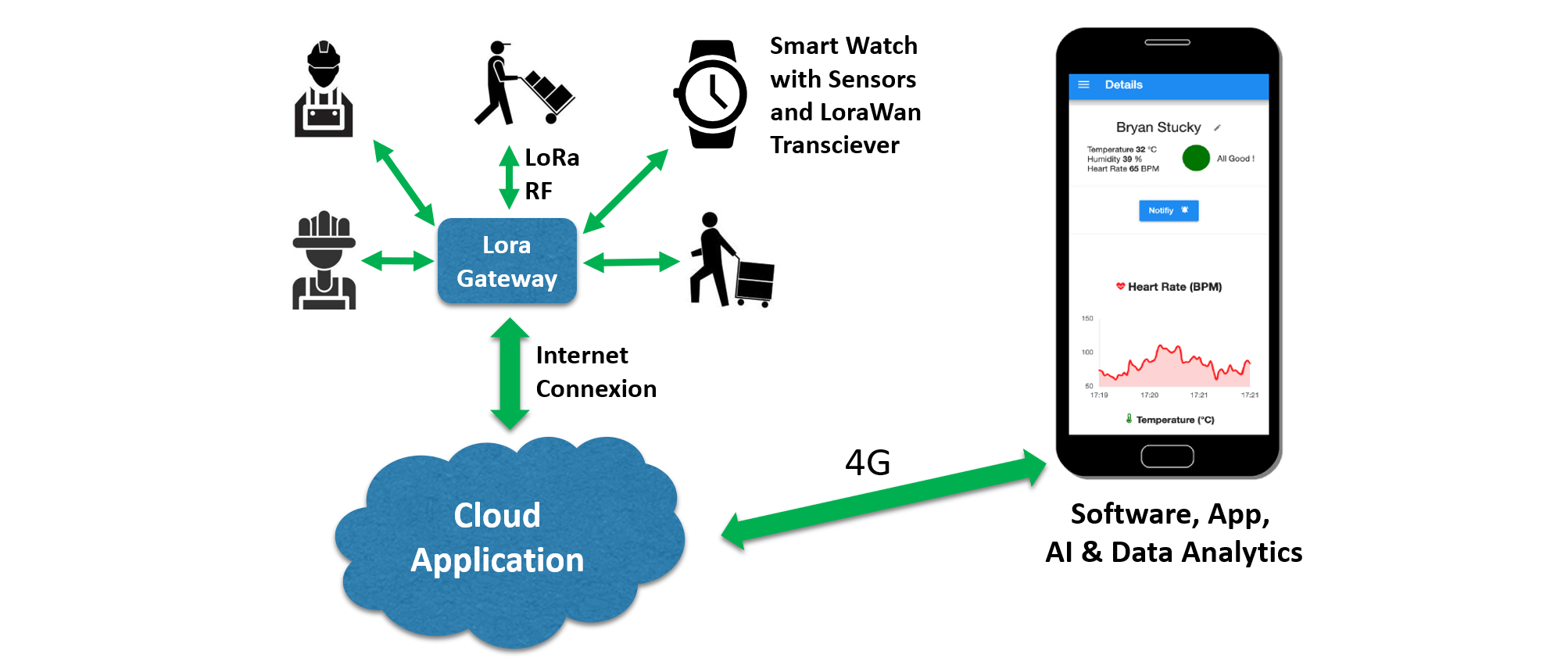
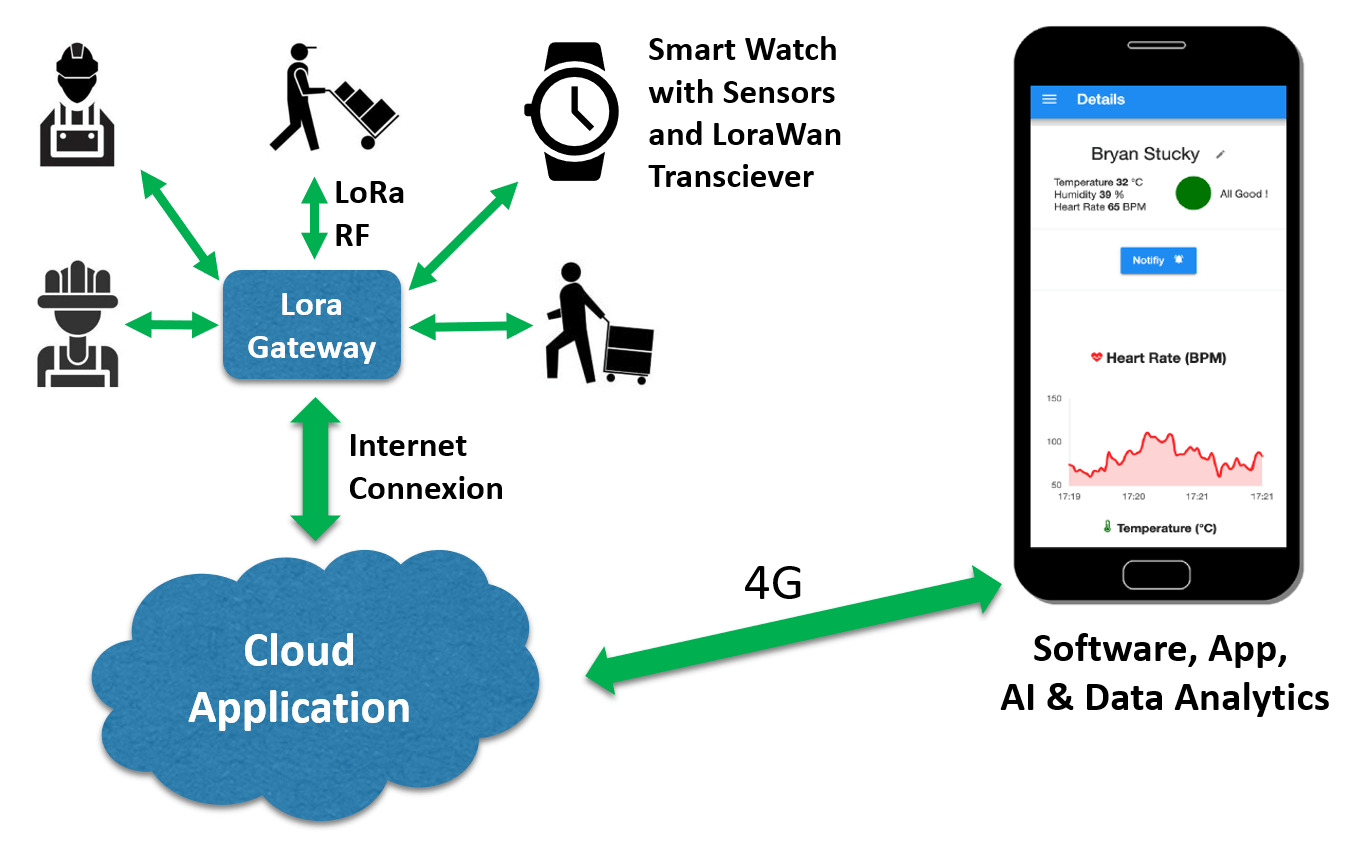
The overall goal being to monitor the health status of hundreds of persons at a time within a perimeter of few hundred meters. The typical scenario is for outdoor groups , possibly elderly persons in retirement houses, outdoor workers under a tough weather, health-fragile children in schools, etc...
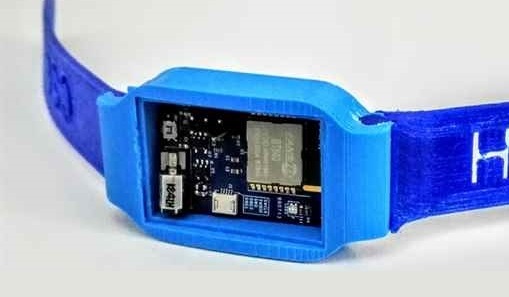
This system uses a wristwatch with wireless capabilities (LoRaWAN) and various sensors (heart-rate, temperature, acceleration) to extract the crucial data before sending it to our cloud application for analytics and decision making.
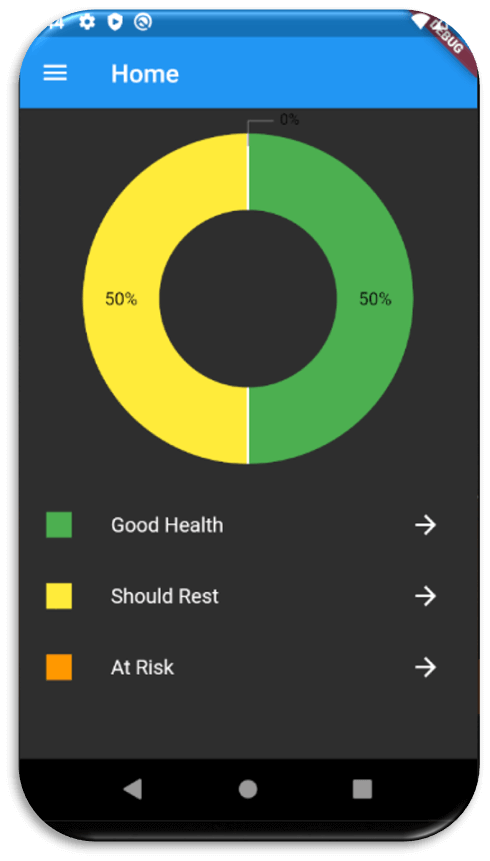
The "decision" being taken is only here to help health professionals . For example issuing a warning to the physician connected to our app, signaling that one of the wristwatch wearer may require further examination, based on alarming heart-rate, temperature, fall detection or dehydration level.
This project is the continuation with a total revamp of the wristwatch monitoring system.
Key points:
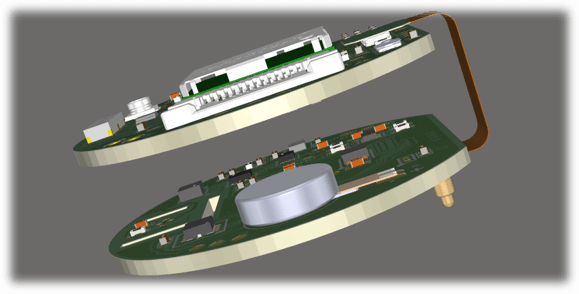
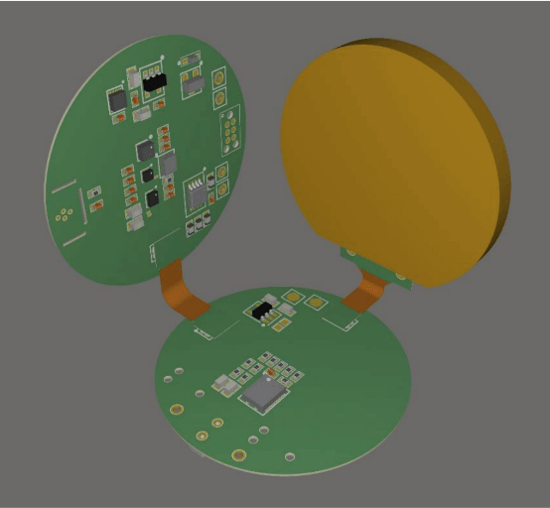
- PCB made with Altium Designer, Multi-PCB with Flex connectors
- Embedded system based on a STM32 chip
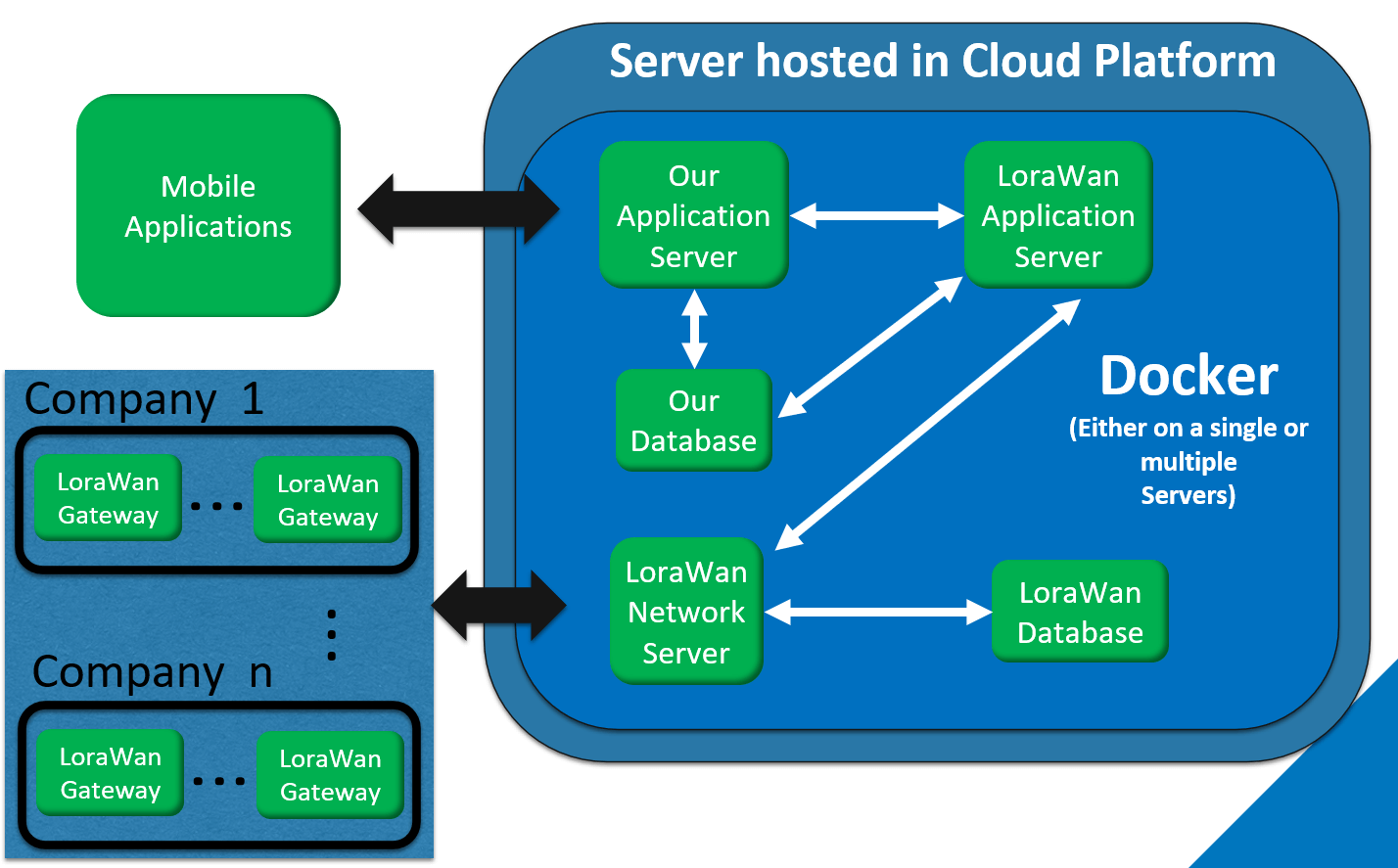
- Dockerized LoRaWAN backend based on ChirpStack
- Dockerized application backend with Express.js and PostgreSQL
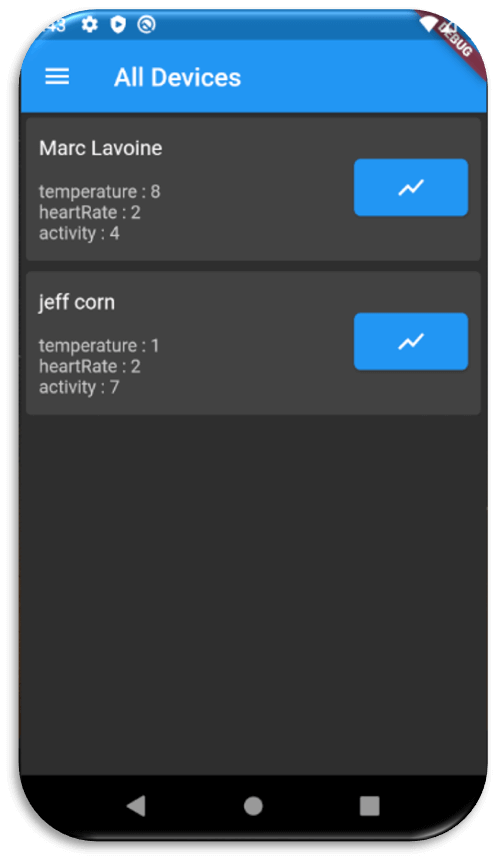
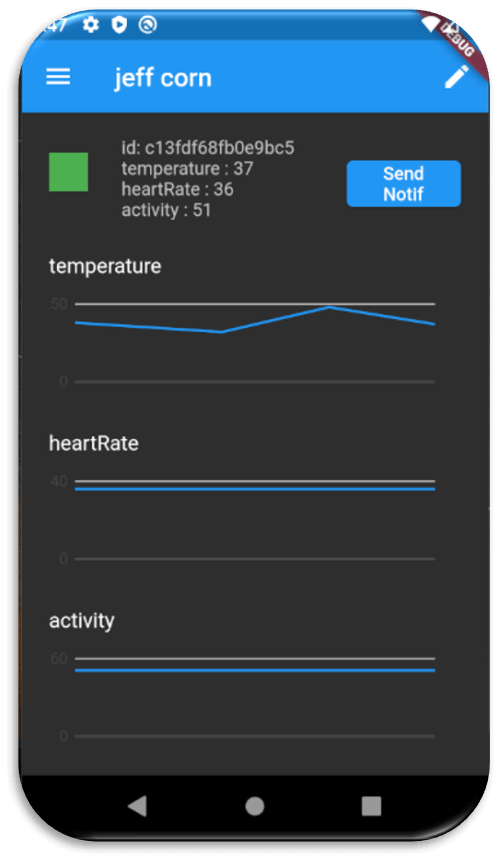
- Mobile app with Flutter for data visualization and notifications
More details
With the use of the LoRaWAN protocol/devices, we can now received data within a kilometer range, still at a low frequency/bandwidth, hence a mandatory processing is made on the wristwatches. The system is now simpler to deploy with only one or few LoRaWAN gateways, rather than tens of mesh relays and gateway.
For the wristwatch and its PCB, we developed a custom system made of several stacked PCBs connected with our own flex connectors. The case/garment that will host this system is developed by a third party company, whom we are in close collaboration.
The Firmware of the STM32 chip within the PCB is written in C and is responsible for controlling the LoRaWAN chip (also from STM) and sampling the sensors. The heart-rate sensor is an entire system by itself with and IC responsible for the data sampling and processing, with extraction of the features. Battery management/protection are also a part that we designed with a lot of care.
The Mobile App has been written with the Flutter SDK. It is used to log the user in, fetch health data online and send/receive notifications.
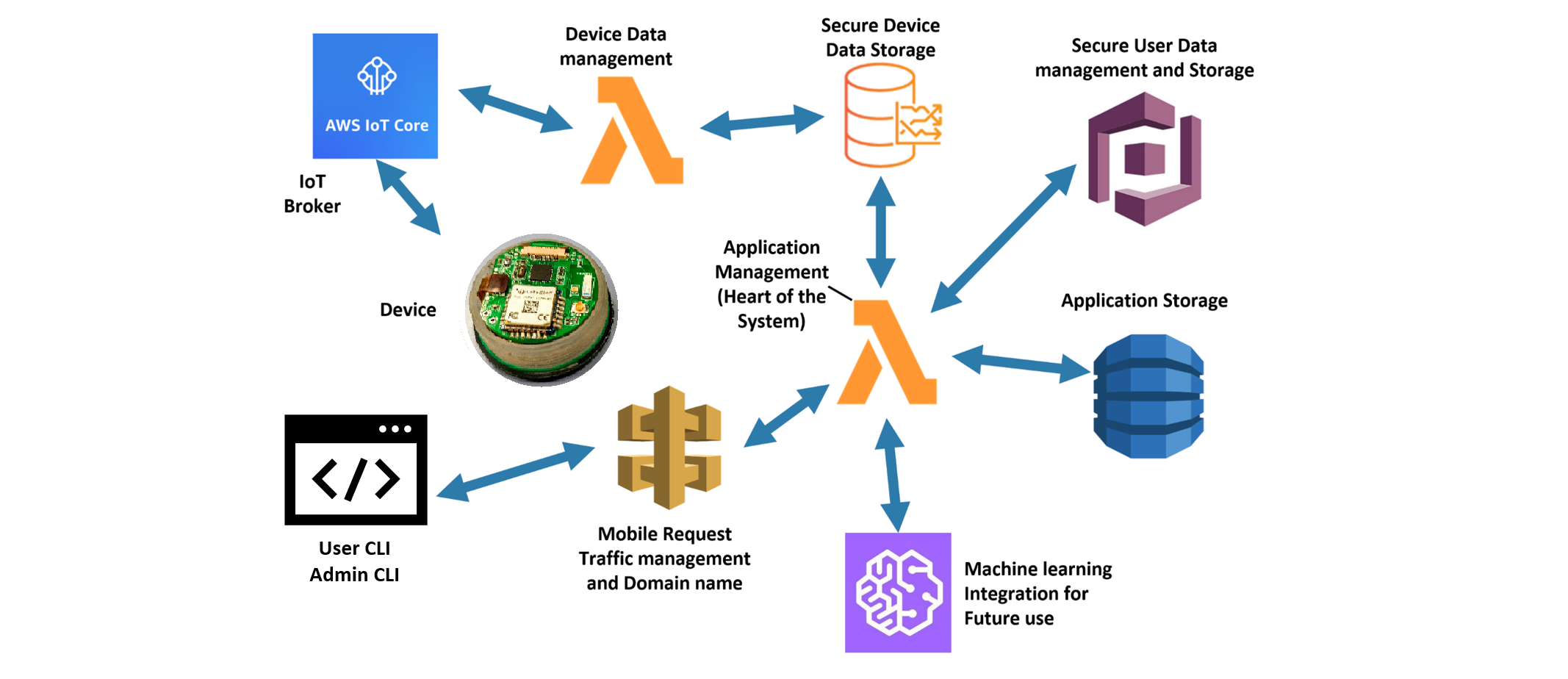
The LoRaWAN Dockerized Backend is using the ChirpStack project, which allows us to deploy our own LoRaWAN network and application servers. By using our own network server we are able to manage a higher throughput for the system as well as a fine grained control on the application.
Our Dockerized Backend application is there to manage the user, the access to the health data, the notification system, and so one. Its most notable components are Express.js, PostgreSQL, Socket.IO.
- Cloud & Backend
- Embedded & Firmware
- PCB & Hardware
- Wireless
- Mobile & Frontend
- LoRaWAN
- Full-Stack App
- C prog.
- Flutter
- Node.js
- PCB design
- AWS